

01
Full module scan
Stored and pending fault codes across every module, not just the engine. Recently cleared adaptations and a suspiciously empty fault memory both tell a story.
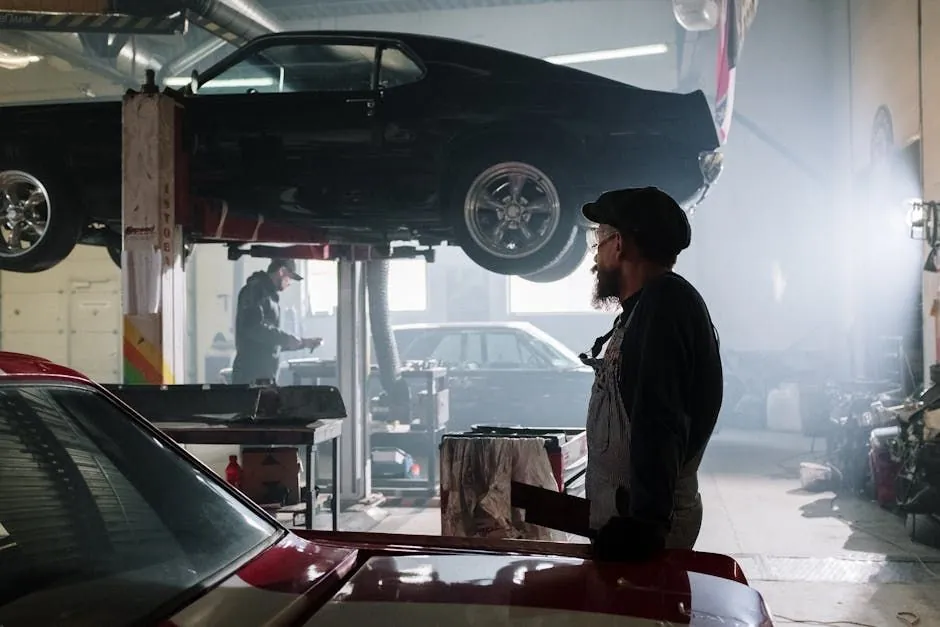
An independent inspection by an ASE Certified Master Technician, using the same diagnostic equipment the dealer uses. We work for you, not the seller.
A used Porsche or BMW can look immaculate in a listing photo and still be carrying a deferred repair worth more than the discount you negotiated. The point of an inspection is simple: replace guesswork with evidence, before the purchase becomes irreversible.
A general inspection tells you the tires are worn and the brakes have life left. That is not the information that decides whether a used German car is a good buy.
What matters is whether the cooling system has been addressed, whether there is a history of oil consumption, whether the transmission has ever had a fluid service, whether stored fault codes were cleared shortly before the listing went up, and whether the electronics have been touched by someone who should not have touched them. Reading that requires the manufacturer-level tools and the platform familiarity to know what is normal and what is a warning.
Our diagnostic equipment reads the same modules your Porsche, BMW, Audi, or Mercedes-Benz dealer scans. Shawn Baker is an ASE Certified Master Technician with more than 20 years on these platforms.
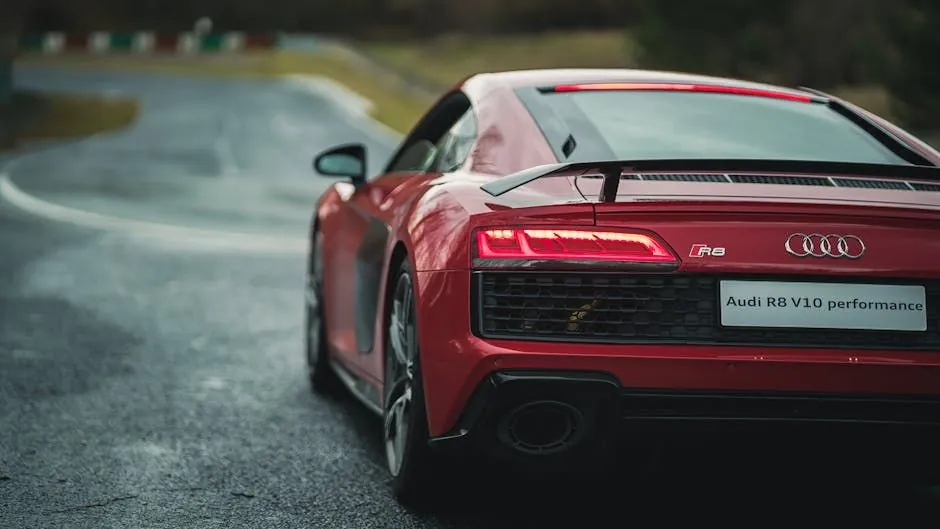
The vehicle goes on the lift and onto the scan tool. Here is the ground we cover.
Stored and pending fault codes across every module, not just the engine. Recently cleared adaptations and a suspiciously empty fault memory both tell a story.
Leaks at the usual gasket points, evidence of oil consumption, cold-start behavior, and whether the service history matches what the engine looks like.
Water pump, thermostat housing, radiator, and hoses. On BMW platforms this is the single most common expensive surprise after purchase.
Shift quality, fluid condition where accessible, and whether a ZF, DSG, or PDK unit has ever been serviced at the correct interval.
Control arms, bushings, shocks, and air suspension components. Air suspension in particular is expensive to put right after the fact.
Pad and rotor life, uneven wear patterns, and whether the tires match each other and the vehicle specification.
Panel gaps, paint and underbody indications of previous repair, and hardware that has clearly been apart before.
Everything the buyer will actually use day to day, plus the connector corrosion that coastal cars accumulate quietly.

Photographs of what we found, and a plain-language explanation of it. We separate findings into what is urgent, what is normal wear for the mileage, and what you can plan for later.
That distinction is the whole value. A long list of findings sounds alarming until someone who knows the platform tells you which three actually matter. You can take that into the negotiation, or you can walk away.
Plenty of our inspection customers do walk away. We consider that a successful inspection. If you want to read more about what we look for before you book, our pre-purchase inspection guide goes deeper, and California buyers can review their rights through the Bureau of Automotive Repair.
240 five-star Google reviews at a 5.0 rating.
10/10 PPI on an early 2000s G Wagon. Would highly recommend if you’re in the market. Didn’t end up purchasing the car, but that didn’t stop the team from treating me like a long time customer.
They took the time to explain everything clearly and never made me feel pressured into unnecessary repairs. I especially appreciated how carefully they inspected the car and explained what actually needed attention.
When you start with an owner (Mr. Shawn Baker) that is all quality and integrity, you get a shop filled with guys that take exemplary care of you and your car from start to finish.
Bring it to 505 Pacific Coast Hwy in Hermosa Beach, or call with the year, make, and model and we will tell you what the inspection should cover. Monday through Friday, 8:00 AM to 5:00 PM.