

Oil Changes
Oil changes are the most frequent service. German engines require specific synthetic oil formulations, not the conventional oil you’d find at a quick lube shop. Using the wrong grade can cause sludge buildup and premature engine wear.
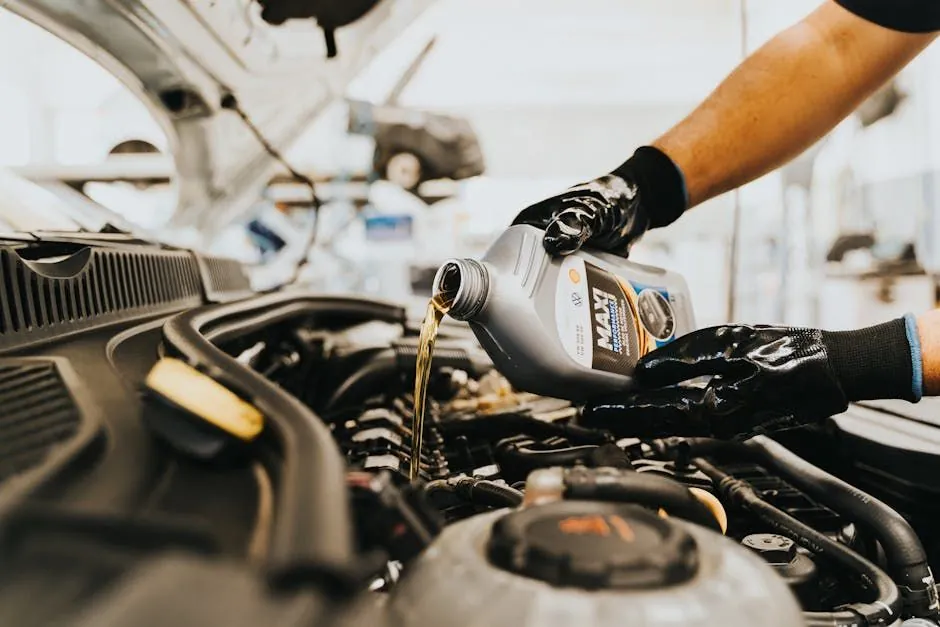
Brake wear, oil degradation, and cooling system stress are realities for every German luxury car on the road. Routine maintenance at Luxury Motors of South Bay in Hermosa Beach, CA, protects your engine performance, extends vehicle longevity, and helps you avoid costly repairs down the line. From oil changes with manufacturer-approved synthetic oil to brake inspections, fluid services, and scheduled maintenance, we keep your BMW, Porsche, Audi, or Mercedes-Benz running the way it was engineered to.
German luxury cars need regular oil changes with OEM-approved synthetic oil, brake inspections, tire rotations, fluid services, cooling system checks, battery testing, and scheduled milestone services at 30K, 60K, and 90K miles. Each make has specific requirements that differ from standard vehicles.
Here’s what a proper routine maintenance program covers for German cars:
Oil changes are the most frequent service. German engines require specific synthetic oil formulations, not the conventional oil you’d find at a quick lube shop. Using the wrong grade can cause sludge buildup and premature engine wear.
Brake inspections check pad thickness, rotor condition, brake fluid quality, and sensor function. German performance brakes use specific pad compounds that wear differently than standard brakes.
Tire rotations help distribute wear evenly across all four tires. Many German vehicles run staggered setups (different front and rear sizes), which changes the rotation pattern.
Fluid services cover transmission fluid, coolant, brake fluid, and power steering fluid. Each has a specific replacement interval and specification for German vehicles.
Cooling system checks are critical. BMW, Audi, and Porsche cooling systems use plastic components that degrade over time. A failed thermostat housing or cracked expansion tank can lead to overheating and serious engine damage.
Battery and electrical testing catches voltage drops, failing alternators, and parasitic drains before they leave you stranded. German vehicles have complex electrical architectures that pull more from the battery than most cars.
Filter replacement includes engine air filters and cabin filters. Clean filtration protects engine performance and air quality inside the cabin.
We service Porsche, BMW, Audi, and Mercedes-Benz vehicles daily. Each make gets the specific service it was designed for.
Every German manufacturer sets its own service intervals, and those intervals vary by model, engine type, and driving conditions. Here’s a general breakdown:
BMW uses Condition Based Service (CBS), which monitors oil quality, brake wear, and other factors through onboard sensors. Most BMW models flag a service reminder between 10,000 and 15,000 miles. But that system assumes ideal driving. Stop-and-go traffic on PCH and the 405 puts more stress on the engine, brakes, and cooling system than highway cruising.
Porsche intervals vary significantly by model. A 911 with a naturally aspirated flat-six engine has different oil requirements than a Macan with a turbocharged four-cylinder. Porsche recommends service every 10,000 miles or once per year, but the flat-six models benefit from more frequent oil analysis, especially at higher mileages.
Audi generally recommends service every 10,000 miles. Models with turbocharged engines (most of the current lineup) consume oil between changes, so checking levels monthly matters.
Mercedes-Benz alternates between Service A and Service B, roughly every 10,000 miles. Service A is lighter (oil change, filter, fluid top-off). Service B is more involved (brake inspection, cabin filter, detailed system check).
Here in the South Bay, year-round driving means your car never gets a seasonal break. Coastal salt air adds corrosion risk to brake hardware and underbody components that drivers in drier climates don’t deal with. Shawn Baker, our ASE Certified Master Technician with over two decades of experience and 20,000+ vehicles serviced, often recommends shorter intervals for customers who spend most of their time in stop-and-go conditions.
Questions about your car’s maintenance schedule? We’re here to help. Call 310-504-0089
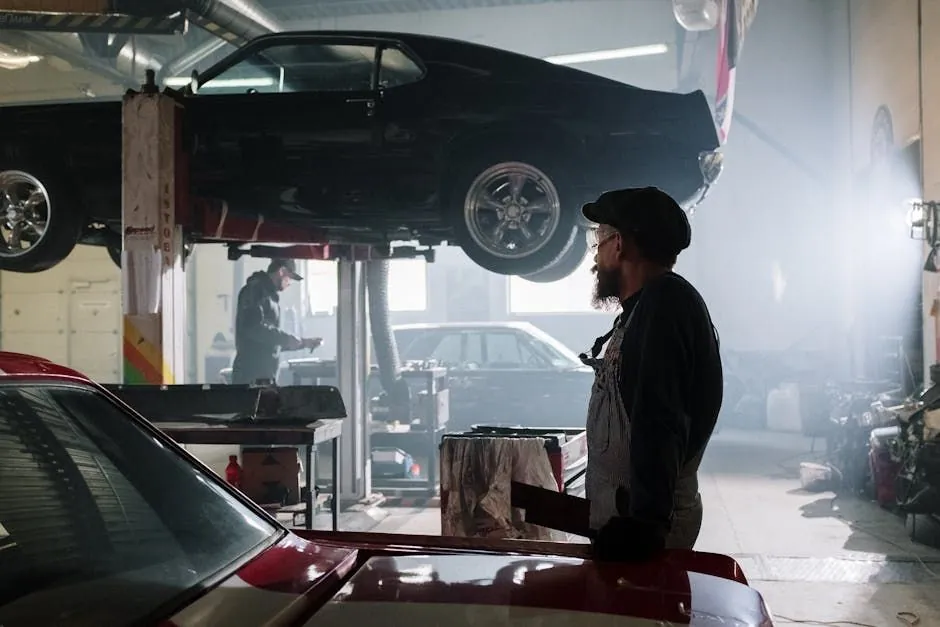
Not all synthetic oil is the same. German manufacturers certify specific oil formulations for their engines, and using anything else can cause real problems.
BMW requires LL-01 certified oil. This certification means the oil meets BMW’s standards for long-life performance, thermal stability, and deposit control. A standard synthetic oil that doesn’t carry the LL-01 rating can leave deposits in the turbocharger oil feed lines and accelerate bearing wear.
Porsche specifies A40 rated oil for most of its lineup. But here’s where it gets specific: the 911’s flat-six engine runs different oil volumes and viscosity requirements than the Macan’s turbocharged four-cylinder. Using the Macan’s oil spec in a 911 (or the reverse) can affect oil pressure and engine protection. If you drive a 911, our Porsche 911 maintenance guide covers the full breakdown.
Mercedes-Benz calls for 229.5 certified oil across most models. AMG variants sometimes require a different spec depending on the engine configuration.
Audi and Volkswagen share the VW 502/505 oil specification, which covers most of their turbocharged engines.
What happens when someone uses the wrong oil? Sludge buildup. That thick, tar-like residue coats internal engine surfaces, restricts oil flow, and slowly chokes the engine. We’ve seen engines with less than 80,000 miles clogged with sludge because a previous shop used conventional oil or a non-certified synthetic.
Every oil change at our shop uses the correct manufacturer-specified oil, the right capacity, and a quality oil filter. It’s one of those details that matters every single time.
Most Hermosa Beach and South Bay drivers end up choosing between two options: the dealership (expensive, impersonal, long wait times) or a general shop (affordable, but not built for German engineering). We built Luxury Motors of South Bay to be the third option.
We use the same diagnostic scan tools that authorized dealerships use. That’s not a marketing line. These tools give us access to manufacturer-level fault codes, module coding, and system-level testing that generic code readers can’t touch. The difference is our labor rate. You get dealership diagnostic depth at independent shop pricing, which typically saves 30-50% compared to the dealer.
Every routine maintenance service follows the manufacturer’s procedures for your specific model. Correct torque specifications. Correct fluid capacities. OEM-quality or better parts. We don’t substitute generic brake pads when your BMW M3 requires a specific compound. Our in-house parts specialist sources the right part for your exact vehicle.
Every service visit includes a documented multi-point inspection. We photograph what we find and send it to you through our digital platform. You see exactly what’s happening with your brakes, suspension, fluids, and tires. No guesswork. No “trust us, it needs replacing.” Just photos and a plain explanation.
We don’t upsell. Dozens of our customers specifically mention this in their reviews. If your car doesn’t need something, we won’t recommend it. Learn more about our team.
Ready to schedule your next service? Call 310-504-0089
Scheduled milestone services are more involved than a standard oil change. They’re the checkpoints that catch wear before it becomes a breakdown. Here’s what each milestone typically covers for German luxury vehicles:
Oil change with manufacturer-specified synthetic oil. Brake inspection (pad thickness, rotor condition, fluid quality). Tire rotation and pressure check. All fluid levels topped off. Engine and cabin air filter replacement. Multi-point inspection with photos. Battery voltage and charging system test.
This is the baseline. Most German cars running normally in the South Bay hit 30K in about two and a half years.
Everything above, plus: Transmission fluid service (critical for DSG/PDK dual-clutch and ZF automatic transmissions). Spark plug replacement. Coolant flush and replacement. Brake fluid flush. Suspension component inspection (bushings, control arms, shocks). Drive belt inspection.
The 60K service is where we often catch the first signs of cooling system wear on BMW models. Thermostat housings and expansion tanks on the N52, N54, and N55 engines are known failure points around this mileage.
Everything above, plus: Timing chain or belt inspection (model-dependent). Full cooling system evaluation (hoses, water pump, radiator condition). Power steering fluid service. Detailed electrical system check. Suspension alignment assessment.
We follow the manufacturer’s service schedule for each model. Not a generic checklist that treats your Porsche Cayenne the same as a Honda Civic.
German cars are precision machines. That precision comes with a trade-off: they’re less forgiving when maintenance falls behind.
Skipped oil changes let old oil break down and form sludge. Sludge restricts oil flow to bearings, turbochargers, and the timing chain tensioner. Left long enough, this leads to engine failure. We’ve worked on cars where a $150 oil change, done on time, would have prevented a repair costing thousands.
Worn brake pads grinding into rotors is one of the most common (and most expensive) consequences of skipped inspections. A brake pad replacement costs a fraction of what you’ll pay once those pads wear through and score the rotors. German performance brakes use larger rotors and higher-temp compounds that are expensive to replace.
Old coolant loses its protective properties. The cooling system can’t regulate engine temperature effectively, which increases the risk of overheating. In a German engine with tight tolerances, overheating can warp heads and damage gaskets.
Neglected transmission fluid causes shifting issues, accelerated clutch pack wear in dual-clutch transmissions, and premature failure of mechatronic units. A transmission fluid service is a fraction of the cost of a transmission rebuild.
Catching wear early is always less expensive than repairing the damage later. And in Southern California, where year-round driving means no seasonal downtime, vehicles accumulate miles faster than in regions with harsh winters that keep cars garaged.
240 Google reviews. 100% five-star rating. Here’s what our customers say:
I recently brought my 2004 Porsche 911 Turbo... What I appreciated most was their honesty; they provided a 25-point inspection... It is rare to find a shop that treats both the customer and the car with this much respect.
Took my BMW to Luxury Motors of South Bay for an oil leak and some suspension work. Elmer and Shawn were straight up with me the whole time.
These dudes know what they’re doing. I took my Audi in and they treated it like it was their own. Straightforward, honest...
Returning customer. I described the issue with my vehicle and Elmer diagnosed it on the spot, misfiring... Professional, knowledgeable, and extremely friendly. Shawn picked a fantastic team!
As a woman that travels often, finding an honest mechanic has always been a thing. Being overcharged, being sold on things that I didn’t necessarily need, I’ve experienced it all. This place is different.
505 Pacific Coast Hwy, Hermosa Beach, CA 90254
Phone: 310-504-0089
Bilingual service available in English and Spanish.
Each German manufacturer has specific service intervals, fluid specifications, and maintenance requirements. Select your make for a detailed guide to keeping your vehicle running at its best.
Our Hermosa Beach shop provides routine maintenance for German luxury vehicles throughout the South Bay and surrounding communities.
Shawn Baker, ASE Certified Master Technician with over two decades of hands-on experience and 20,000+ vehicles serviced, leads every diagnosis and oversees every repair at Luxury Motors of South Bay. Our 240 five-star Google reviews speak to the kind of service we provide: honest, transparent, and built on trust.
We’ll walk you through exactly what your car needs. No pressure. No upselling.
Four concepts that come up in every scheduled service.
The lubricant that reduces friction inside the engine and carries combustion byproducts to the filter. German manufacturers specify exact oil grades (LL-01, 229.5, etc.); using a non-spec oil can void warranties and accelerate wear in turbocharged engines.
The ethylene-glycol or propylene-glycol coolant circulated through the engine and radiator to absorb combustion heat and prevent freezing. German cars use specific coolant formulations (G11, G12, G13) and mixing types can damage the cooling system.
The component that ignites the air-fuel mixture in each cylinder of a gasoline engine. German cars typically use platinum or iridium plugs that last 60,000-100,000 miles; worn plugs cause misfires, rough idle, and a check-engine light.