CALL: 310-504-0089
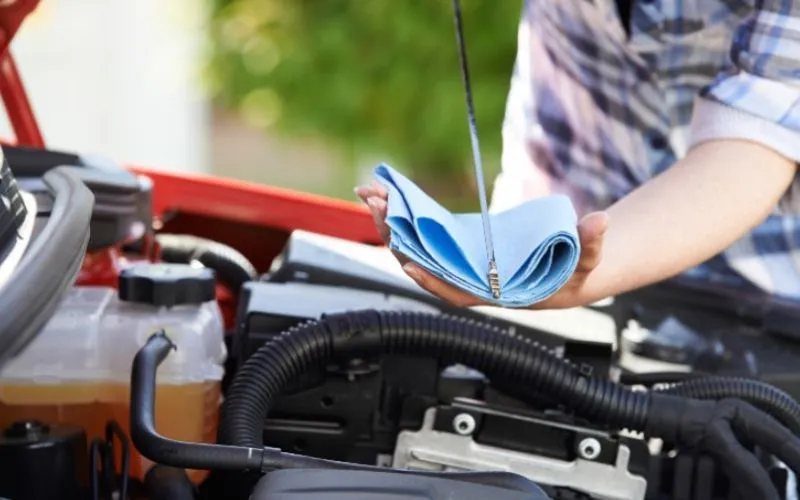
Oil leak repair on German luxury vehicle in Torrance
Oil Leak Repair

Expert Oil Leak Diagnosis and Repair for German Luxury Vehicles

An oil leak, a burning oil smell under the hood, and dropping oil levels between services are warning signs that something in your engine needs attention before real damage sets in. South Bay Luxury Motors in Torrance, CA provides oil leak repair, gasket replacement, and seal repair to restore proper engine lubrication and prevent costly engine failure. From valve cover gaskets and oil pan gaskets to camshaft seals and oil cooler lines, we help Porsche, BMW, Audi, and Mercedes owners get back to a leak-free, smoothly running engine.

Pricing

How Much Does It Cost to Fix an Oil Leak?

Oil leak repair costs depend on the leak source and your vehicle’s make and model. A valve cover gasket replacement on a German luxury car can range from a few hundred to over a thousand dollars. Independent specialists typically charge 40-60% less than dealerships for the same repair.

Here’s what drives the price:

01

Valve Cover Gasket Replacement

Valve cover gasket replacement is the most common oil leak repair we perform. On many BMW, Audi, and Mercedes engines, this is a straightforward job. On others, intake manifolds or turbo plumbing need to come off first, which adds labor time.

02

Oil Pan Gasket Replacement

Oil pan gasket replacement costs more on German vehicles because the subframe often needs to be lowered or removed to access the pan. This is standard procedure on most BMW 3-Series and 5-Series models.

03

Rear Main Seal and Crankshaft Seal Repairs

Rear main seal and crankshaft seal repairs are the most labor-intensive because the transmission or flywheel must be removed. These aren’t common, but when they’re the source, the labor is significant.

04

The Dealership Markup Is Real

The dealership markup is real. Customers walk into our shop regularly after being quoted $2,000 or more at dealerships for valve cover gasket jobs we complete for a fraction of that cost. Same quality parts. Same repair. No inflated labor rates.

Want an honest estimate? Contact us and we’ll tell you what the repair actually involves before you commit to anything.

Warning Signs

What Are the Signs Your Car Has an Oil Leak?

Most oil leaks start small. You might not notice anything until the problem has been building for weeks. Here are the warning signs we see most often on German luxury vehicles:

01

Oil Stains

Oil stains on your driveway or garage floor. Brown or dark spots under the engine or transmission area. Even a small spot means oil is escaping somewhere.

02

Burning Oil Smell

Burning oil smell from the engine bay. Engine oil dripping onto the exhaust manifold or turbo housing produces a sharp, acrid smell. This is one of the earliest signs on valve cover gasket leaks.

03

Low Oil Level

Low oil level between services. If you’re adding oil between scheduled oil changes, something is leaking or burning. German engines with proper seals shouldn’t lose noticeable oil between services.

04

Warning Lights

Oil warning light or check engine light on your dashboard. Low oil pressure triggers a warning. On some BMW and Mercedes models, you’ll see a yellow oil level warning before the red oil pressure light. Don’t wait for the red one.

05

Blue Exhaust Smoke

Blue smoke from the exhaust. Oil entering the combustion chamber through worn valve seals or piston rings burns with a distinct blue tint in the exhaust.

06

Rough Idling or Misfire

Rough idling or engine misfire. Oil leaking from a valve cover gasket can pool around spark plug tubes, fouling the spark plugs and causing misfires.

07

Visible Oil Residue

Visible oil around the valve cover, oil pan, or timing cover. Pop the hood and look. Wet, oily residue around gasket seams is a clear indicator.

If you’re noticing any of these, the leak won’t fix itself. And the longer you wait, the more expensive the repair can become.

Common Leak Sources

Where Do Oil Leaks Come From in German Engines?

German engines are precision machines. But every gasket and seal in them has a lifespan, and heat, pressure, and age eventually win. Here are the most common leak sources we repair:

Valve Cover Gasket

This is the number one oil leak repair on German luxury vehicles. The rubber gasket that seals the valve cover to the cylinder head dries out and cracks over time. Heat cycling accelerates the process. On BMW N52, N54, and N55 engines, valve cover gasket failure is so common it’s practically a maintenance item after 60,000-80,000 miles. Porsche flat-six engines and Mercedes M272/M273 V6 and V8 engines are close behind. When the valve cover gasket fails, oil seeps down the side of the engine and often pools around the spark plug tubes. That’s when you get misfires and the burning oil smell.

Oil Pan Gasket

The oil pan sits at the bottom of the engine and holds your oil supply. Its gasket can leak from road debris impact, thermal cycling, or simply age. On most BMW models, replacing the oil pan gasket requires dropping or removing the front subframe. That’s why this repair costs more at shops that aren’t set up for German vehicles.

Camshaft and Crankshaft Seals

The front and rear crankshaft seals, camshaft seals, and rear main seal keep oil contained where the rotating shafts exit the engine block. These seals are usually rubber or a rubber-polymer composite, and they harden over time. Rear main seal leaks are the most labor-intensive to repair because the transmission needs to come out.

Oil Filter Housing Gasket

This is a BMW-specific problem that catches a lot of owners off guard. The oil filter housing on N52 and N54 engines uses a gasket and o-rings that shrink and leak, sometimes dripping oil directly onto the serpentine belt or alternator.

Oil Cooler Seals

Common on Audi and VW 2.0T and 3.0T engines. The oil cooler sits between the engine block and the oil filter, and its seals degrade with heat exposure. A leaking oil cooler can also allow coolant and oil to mix, which creates bigger problems fast.

Turbo Oil Feed and Return Lines

Turbocharged German engines (BMW N54/N55/S55, Porsche turbo models, Mercedes AMG) use pressurized oil lines to lubricate and cool the turbocharger. These lines and their banjo bolt seals can leak, especially at higher mileage. Oil dripping from turbo lines onto the exhaust is a fire hazard that needs immediate attention.

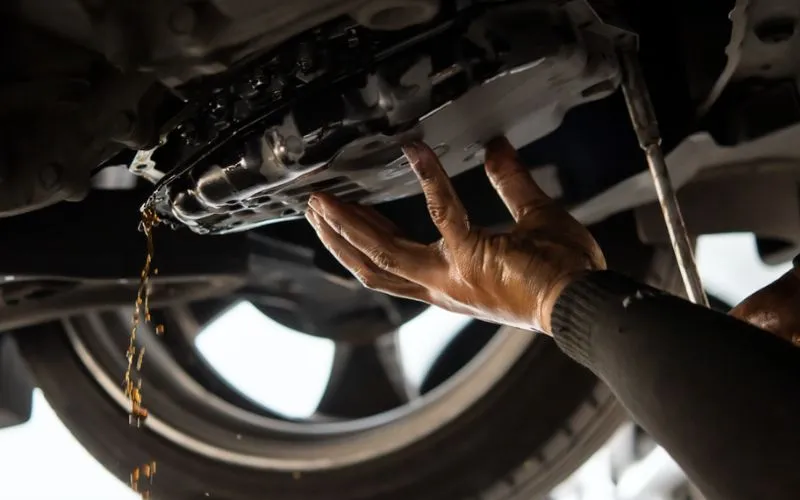
Oil leak diagnosis on German vehicle
Specialized Service

Why Do We Specialize in Valve Cover and Oil Pan Gasket Repair?

A lot of shops will take on an oil leak repair. Fewer will diagnose it correctly the first time. And even fewer are set up for the specific access requirements and torque procedures German engines demand.

We’ve seen customers come in after spending hundreds of dollars at another shop that replaced a gasket but didn’t fix the actual leak. Wrong gasket identified. Wrong parts used. Sealant applied where a proper gasket was needed. That’s wasted money and wasted time.

Our Approach

Correct Diagnosis, Quality Parts, Fair Pricing

Correct Diagnosis, Not Guesswork. We use dealer-level diagnostic scan tools to pull fault codes and check oil pressure data before we touch a wrench. For leaks that aren’t visually obvious, we run UV dye tests to trace the exact path of the oil. We don’t guess, clear codes, and hope. We find the leak source, show you what we found, and fix it the right way.

OE-Specification Parts and Proper Torque. German engines have specific torque sequences for valve covers, oil pans, and timing covers. Over-torquing a plastic valve cover on a BMW will crack it. Under-torquing an oil pan on a Porsche will leave you with the same leak in six months. We use OE-specification gaskets and follow manufacturer torque procedures on every repair.

Transparent Communication, Fair Pricing. You’ll get photos of the leak, a plain-language explanation of what’s happening, and an itemized estimate before we start any work. No surprises. No upselling. Shawn Baker, our ASE Certified Master Technician with over two decades of experience, oversees every diagnosis. That commitment to getting it right is why we have 185 five-star Google reviews and zero negative ones.

As one customer put it after bringing his BMW in for an oil leak: “Elmer and Shawn were straight up with me the whole time.”

Ready to get your oil leak diagnosed? Call 310-504-0089.

Oil leak repair specialist Torrance
Our Process

How Do We Diagnose and Repair Oil Leaks?

Here’s what happens when you bring your vehicle to our Torrance shop for an oil leak:

01

Visual Inspection

1. Visual inspection. We inspect the engine bay, undercarriage, and all known leak points for your specific make and model. Many leaks are visible immediately with a trained eye and the right lighting.

02

Diagnostic Scan

2. Diagnostic scan. Our dealer-level scan tools read oil pressure data, engine fault codes, and sensor readings. This tells us if the leak has affected engine performance or oil delivery.

03

UV Dye Test

3. UV dye test (if needed). When the leak source isn’t obvious, we add UV-reactive dye to the engine oil and run the vehicle. Under UV light, the dye traces the exact leak path from source to drip point. No guessing.

04

Diagnosis and Photos

4. Diagnosis and photos. We show you exactly where the leak is coming from. Photos, plain English, no jargon. You’ll understand what needs to be repaired and why.

05

Itemized Estimate

5. Itemized estimate. Parts, labor, and timeline laid out clearly. You approve before we start.

06

Repair with OE-Spec Components

6. Repair with OE-spec components. Proper gaskets, proper torque, proper procedure. We follow manufacturer specifications because cutting corners on a seal job means doing it twice.

07

Verification and Follow-Up

7. Verification and follow-up. After the repair, we clean the engine, run it, and verify the leak is sealed. We follow up after you’ve driven it to make sure everything stays dry.

Southern California heat accelerates gasket degradation. The constant thermal cycling from our warm days and cooler coastal nights causes rubber and composite seals to expand and contract repeatedly. That’s why German vehicles in the South Bay tend to develop oil leaks earlier than the same models in milder climates.

Why It Matters

Can an Oil Leak Destroy Your Engine?

Yes. And it doesn’t take as long as most people think.

An oil leak means your engine is losing the lubrication it needs to function. As oil level drops, oil pressure drops with it. Moving parts inside the engine, the crankshaft, camshaft, piston rings, and bearings, start running with less protection. Metal contacts metal. Friction generates heat. And heat accelerates wear at an exponential rate.

Here’s what happens in stages:

01

Low Oil Level

Low oil level leads to reduced lubrication across the engine. You might not notice anything at first. The oil warning light may not even trigger until you’ve lost a significant amount.

02

Oil Fouling Spark Plugs

Oil fouling spark plugs causes engine misfires, rough idling, and reduced performance. A valve cover gasket leak is the usual culprit. Oil pools in the spark plug wells and shorts out the ignition.

03

Overheating

Overheating becomes a risk as oil levels drop further. Engine oil doesn’t just lubricate. It carries heat away from critical components. Less oil means less heat transfer.

04

Sludge Buildup

Sludge buildup occurs when oil breaks down from contamination and heat. Sludge clogs oil passages and restricts flow to bearings and the camshaft. This can cause permanent internal damage.

05

Engine Fire

Engine fire is a real possibility when oil drips onto exhaust components or turbo housings. We’ve seen it. It’s rare, but it happens.

Early repair can help prevent a $500 gasket job from turning into a $10,000 engine replacement. If you’re wondering whether it’s safe to keep driving with an oil leak, the short answer is: it depends on the severity, but don’t wait to find out.

Reviews

What Do Customers Say About Their Oil Leak Repairs?

185 five-star Google reviews. Zero negative reviews. Here’s what vehicle owners say after bringing their cars to us for oil leak and engine repair work:

E
Elias
Google Review (Nov 2025)
★★★★★

Took my BMW to South Bay Luxury Motors for an oil leak and some suspension work. Elmer and Shawn were straight up with me the whole time.

M
Mike Uesugi
Google Review (Feb 2026)
★★★★★

I recently brought my 2004 Porsche 911 Turbo... What I appreciated most was their honesty; they provided a 25-point inspection... It is rare to find a shop that treats both the customer and the car with this much respect.

J
Jairo Nolasco
Google Review (Nov 2025)
★★★★★

These dudes know what they’re doing. I took my Audi in and they treated it like it was their own. Straightforward, honest...

K
Kimani Gilbert
Google Review (Mar 2026)
★★★★★

Type of shop that fixes the problem other shops couldn’t figure out, and everyone on the team is a standup guy.

J
Jay Fustini
Google Review (Mar 2026)
★★★★★

Returning customer. I described the issue with my vehicle and Elmer diagnosed it on the spot, misfiring... Professional, knowledgeable, and extremely friendly.

By Make

Oil Leak Patterns by Make: Porsche, BMW, Audi, Mercedes

Every German manufacturer has its own common leak points. After years of working exclusively on these vehicles, we know exactly where to look first.

Porsche

Flat-six engines (911, Boxster, Cayman) commonly develop rear main seal leaks and oil seepage around the IMS bearing area on older models. Turbo models (911 Turbo, Cayenne Turbo) add turbo oil feed line leaks to the list. Cayenne and Macan V6 engines are prone to valve cover and timing cover leaks at higher mileage.

BMW

The most common oil leak repair we perform on any make. BMW valve cover gaskets on N52, N54, and N55 engines fail predictably between 60,000 and 100,000 miles. The oil filter housing gasket is a close second. Oil pan gasket replacement on the 3-Series and 5-Series requires subframe removal, which is why many general shops won’t touch it. VANOS solenoid seals on the N52 are another common leak source that’s often misdiagnosed.

Audi

Audi 2.0T and 3.0T engines commonly leak from the timing chain tensioner area and upper timing cover gasket. Oil cooler seal failure is widespread on the EA888 engine family. Valve cover gaskets on the supercharged 3.0T (found in the S4, S5, A6, A7, Q7) tend to go between 70,000 and 100,000 miles.

Mercedes-Benz

The M272 and M273 V6 and V8 engines develop valve cover gasket leaks and cam adjuster solenoid seal leaks. Oil cooler line leaks on the OM642 diesel V6 are common and messy. AMG models with the M156/M159 V8 are known for rear main seal leaks and head bolt seepage at higher mileage.

Stop-and-go traffic on the 405 and PCH puts extra thermal stress on engine seals. That constant heat-cool cycle is why German vehicles in the South Bay tend to develop these leaks earlier than the national average.

Visit Us

South Bay Luxury Motors

South Bay Luxury Motors

4040 Spencer St, Unit Q, Torrance, CA 90503

Phone: 310-504-0089

Bilingual service available in English and Spanish.

By Make

Oil Leak Repair by Make

Each German manufacturer has unique gasket materials, engine layouts, and common leak patterns. Select your make for model-specific oil leak information and repair details.

Also see: Is It Safe to Drive With an Oil Leak?

Service Area

Where Do We Provide Oil Leak Repair in the South Bay?

Our Torrance shop provides oil leak repair for German luxury vehicles throughout the South Bay and greater Los Angeles area.

Primary Service Areas
TorranceRedondo BeachManhattan BeachPalos VerdesHermosa Beach
Extended Service Areas
Long BeachSan PedroWest Los AngelesHawthorneGardenaCarsonLomitaRolling Hills
FAQ

Frequently Asked Questions About Oil Leak Repair

Most oil leak repairs at South Bay Luxury Motors take one to two days. A valve cover gasket replacement is often completed same-day. More involved repairs like oil pan gaskets or rear main seals may take two to three days depending on parts availability and engine access requirements.
In most cases, yes. A valve cover gasket or oil pan gasket repair is a fraction of the cost of the engine damage an ignored leak can cause. If your vehicle is in otherwise good shape, fixing the leak protects your investment and keeps the engine running reliably for years. We’ll give you an honest assessment.
Yes. A leaking valve cover gasket allows engine oil to seep past the seal and drip down the engine block. Over time, this leads to measurable oil loss between services. On German vehicles, it also allows oil to pool in spark plug wells, which causes misfires and rough running.
You can, temporarily. But topping off oil doesn’t fix the source. The leak will get worse over time, and oil dripping on hot engine components creates a fire risk. It also means you’re spending money on oil that’s ending up on the ground instead of protecting your engine.
We use OE-specification parts, meaning they meet or exceed the original manufacturer’s material and dimensional standards. In many cases, these are the same parts the dealership installs. We source through trusted German auto parts suppliers in Torrance and Los Angeles.
Heat cycling, age, and the materials used in German gaskets are the main factors. German engines run at higher operating temperatures than many domestic and Japanese engines. The composite and rubber gasket materials degrade faster under sustained heat. That’s why oil leaks are one of the most common repairs for BMW, Audi, Porsche, and Mercedes vehicles over 60,000 miles.
Oil stains directly beneath the center of your engine (rather than toward the front near the valve cover) are the most common sign. You may also notice oil dripping after the car has been parked. At South Bay Luxury Motors, we verify the source with a visual inspection and UV dye test to confirm it’s the oil pan gasket and not a different leak point above it that’s dripping down.
Our specialty is German luxury vehicles: Porsche, BMW, Audi, and Mercedes-Benz. We do service other makes, and we’ve repaired oil leaks on everything from Subarus to Ford diesels. But our tooling, training, and parts sourcing are built around German engineering. That’s where we’re strongest.
Get Started

Not Sure Where the Leak Is Coming From?

Shawn Baker, ASE Certified Master Technician with over 20 years of experience, leads every diagnosis at South Bay Luxury Motors. We’ve serviced over 20,000 vehicles and earned 185 five-star Google reviews by doing one thing: finding the real problem and fixing it right, at a fair price, without the games.

Bring your vehicle in. We’ll tell you exactly what’s leaking and exactly what it’ll take to fix it. No pressure. No upselling.

Schedule Your Oil Leak Diagnosis Call 310-504-0089
Oil Leak Reference

Terms behind oil leak diagnosis

Three concepts that frame how we diagnose and seal a leak.

Motor oil

The lubricant that reduces friction inside the engine and carries combustion byproducts to the filter. German manufacturers specify exact oil grades (LL-01, 229.5, etc.); using a non-spec oil can void warranties and accelerate wear in turbocharged engines.

Auto repair shop

An independent business that diagnoses and repairs cars and light trucks. Independent shops differ from dealership service departments in pricing flexibility, parts sourcing, and the ability to specialize deeply in one or two manufacturers.

ASE certification

Credential issued by the National Institute for Automotive Service Excellence after an ASE-accredited written exam plus two years of verified work experience. Master Technician status requires passing all eight automobile service certification tests.