CALL: 310-504-0089
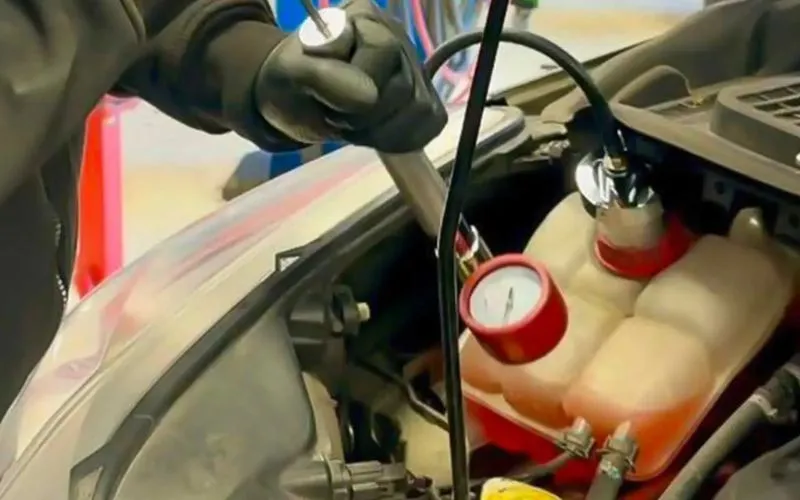
Cooling system repair on German luxury vehicle in Torrance
Cooling System Repair

Expert Cooling System Service for German Luxury Vehicles

Engine overheating, coolant leaks, and low coolant levels can cause serious engine damage if left unchecked. South Bay Luxury Motors in Torrance, CA provides cooling system repair, radiator service, and water pump replacement for BMW, Porsche, Audi, and Mercedes-Benz vehicles, helping maintain the right engine temperature and prevent costly failures. From a cracked thermostat housing to a failing radiator or worn coolant hoses, we diagnose and fix the root cause so your car runs cool and reliable.

Questions about your cooling system? We’re here to help.

Warning Signs

What Are the Signs Your Cooling System Needs Repair?

The most common warning signs are a rising temperature gauge, puddles of green or orange coolant under your car, steam coming from under the hood, and a sweet smell near the engine bay. If your dashboard temp gauge spikes into the red zone, pull over and shut the engine off.

01

Hidden Symptoms

Other symptoms are easy to miss. Low coolant levels that keep dropping without a visible leak usually point to an internal problem. White smoke from the exhaust can signal a head gasket issue allowing coolant into the combustion chamber. And poor cabin heating during cooler months sometimes means your heater core is partially blocked or your thermostat is stuck open.

02

South Bay Traffic Stress

Here in the South Bay, stop-and-go traffic on the 405 puts extra strain on cooling systems. Your engine runs hotter sitting in traffic than cruising at highway speed. German luxury vehicles are especially sensitive to overheating because many of their cooling components are engineered from plastic and composite materials that degrade over time. If you notice any of these cooling system warning signs, don’t wait.

How It Works

How Does Your Car’s Cooling System Work?

Your cooling system circulates coolant (also called antifreeze) through the engine block, absorbing heat and carrying it to the radiator where air flowing through the radiator fins cools it down. The water pump drives this circulation. The thermostat acts as a gate, staying closed while the engine warms up and opening once it reaches the correct operating temperature.

01

Supporting Components

Several other components play supporting roles. The cooling fan pulls air through the radiator when the car isn’t moving fast enough for natural airflow. Hoses connect everything and carry coolant between the engine, radiator, and heater core. The coolant reservoir (called an expansion tank on most German vehicles) holds overflow and lets the system self-regulate pressure.

02

When Parts Fail

When any one of these parts fails, the whole system loses efficiency. A stuck thermostat can cause overheating within minutes. A leaking radiator hose can drain your coolant in a single drive. And a worn water pump can starve the engine of coolant circulation entirely.

BMW Specific

Why Do BMW Cooling Systems Fail?

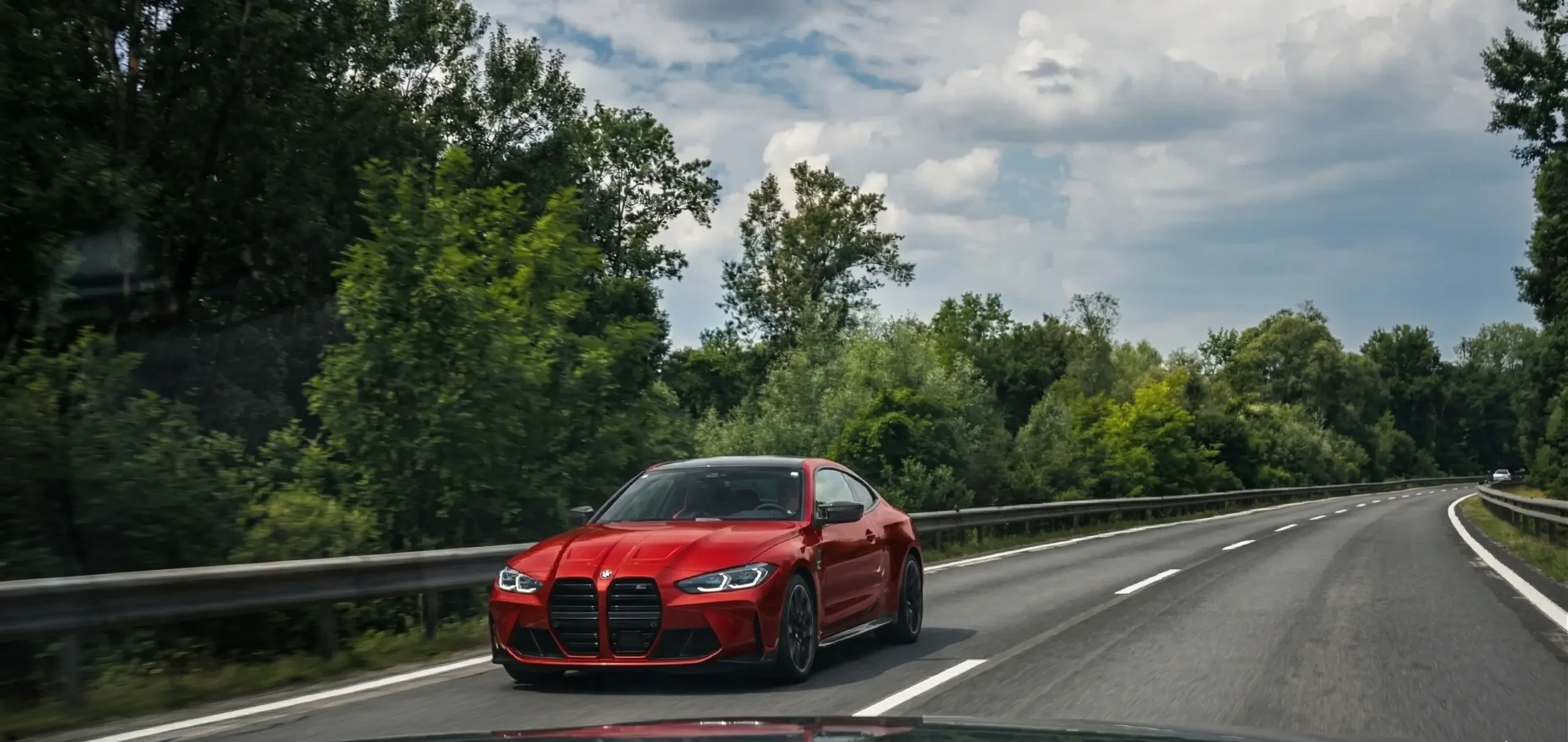
BMW cooling systems are well-engineered for performance, but they have known weak points that show up between 60,000 and 100,000 miles. We’ve replaced hundreds of thermostat housing assemblies on N52, N54, and N55 engines at our Torrance shop. It’s one of the most common repairs we see on 3-Series and 5-Series BMWs.

Thermostat Housing Cracks

Thermostat housing cracks. BMW uses a plastic thermostat housing on N52, N54, and N55 inline-six engines. The plastic becomes brittle from constant heat cycling and eventually cracks, leaking coolant onto the engine. By the time you see the puddle, the housing has likely been seeping for weeks.

Electric Water Pump Failure

Electric water pump failure. Unlike most vehicles that use a mechanical belt-driven water pump, BMW uses an electric water pump on many models. These pumps are more efficient but have a finite lifespan. When they fail, there’s often no warning. The engine overheats fast.

Plastic Coolant Pipes and Expansion Tanks

Plastic coolant pipes and expansion tanks. The coolant transfer pipe on N54 and N55 engines runs behind the intake manifold and is made of plastic. It cracks. The expansion tank does the same thing. Both are preventive replacement items we recommend during other cooling system work.

If your BMW’s temperature gauge fluctuates or you’re losing coolant, these are the components we check first. We use BMW-approved G48 coolant and OEM-quality replacement parts. For a deeper look at BMW-specific issues, see our BMW cooling system repair page.

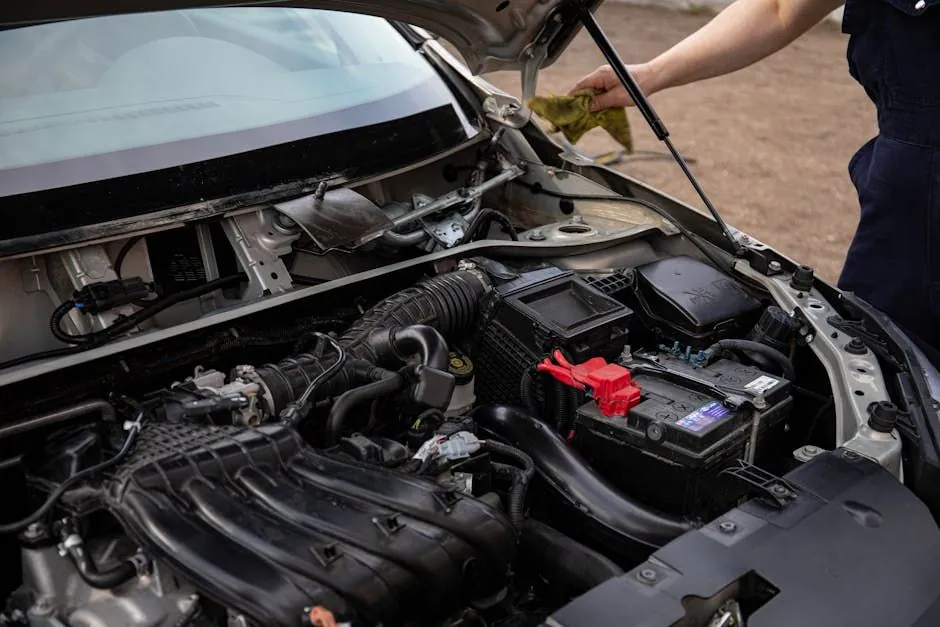
German luxury vehicle cooling system specialist
Specialized Service

What Makes German Luxury Cars Different for Cooling System Repair?

German automakers engineer their cooling systems differently than domestic or Japanese manufacturers. The parts, the coolant specifications, and the failure patterns are all make-specific. A shop that treats every cooling system the same will miss things.

Porsche presents unique challenges because many models are rear-engine or mid-engine. The cooling system has to route coolant from front-mounted radiators to the rear of the car through long runs of hose and pipe. Air pockets during a coolant fill can cause hot spots and overheating if the bleed procedure isn’t done correctly. We see this often on Cayenne and Macan models too. Learn more on our Porsche cooling system repair page.

Audi and VW share a common issue with plastic coolant flanges that crack as they age. The auxiliary water pump on many Audi models runs the coolant circulation after the engine shuts off (turbo cooldown). When it fails, you won’t hear it, but the turbo pays the price over time.


Coolant Specs

Make-Specific Coolant and Components

Mercedes-Benz uses a viscous fan clutch on many older models like the E-Class and ML-Class. These clutches wear out and stop pulling adequate air through the radiator. Newer models have electric fans with control modules that can fail without throwing a code.

Coolant specifications matter. BMW requires G48-rated coolant. Porsche, Audi, and VW use G12 or G13 specification coolant. These aren’t interchangeable. Using the wrong coolant can cause internal corrosion, seal degradation, and premature component failure. We stock the correct coolant for every German make we service.

Cooling system parts for German vehicles
What We Do

What Cooling System Services Do We Offer?

We handle everything from a simple coolant flush to a full cooling system overhaul. Every repair starts with a diagnostic evaluation using dealer-level scan tools so we know exactly what’s failing before we quote anything.

Cooling System Diagnostics

We use a combination of system pressure testing, visual inspection, and scan tool data to pinpoint leaks, blockages, and component failures. Pressure testing reveals leaks that aren’t visible when the system is cold.

Radiator Repair and Replacement

Cracked tanks, corroded cores, and bent fins reduce your radiator’s ability to shed heat. We assess whether a repair is viable or if replacement is the better long-term option, and we give you both prices so you can decide.

Water Pump Replacement

A failing water pump can leak externally or lose internal impeller efficiency. Both lead to overheating. We replace water pumps with OEM-quality parts and recommend replacing the thermostat at the same time since the labor overlaps.

Thermostat and Thermostat Housing Replacement

A stuck thermostat causes overheating (stuck closed) or a cold-running engine (stuck open). On BMW N-series engines, we replace the entire thermostat housing assembly because the plastic housing is typically the failure point, not the thermostat itself.

Coolant Flush and Fill

Old coolant loses its corrosion protection and can become acidic, eating away at gaskets, seals, and metal surfaces. We flush the system and refill with the manufacturer-specified coolant for your vehicle. Not a generic green jug from the shelf.

Hose and Belt Replacement

Radiator hoses, heater hoses, and serpentine belts wear from heat and age. We inspect all hoses and belts during cooling system work and flag anything that’s swollen, cracked, or soft.

Ready to schedule your cooling system repair? Call 310-504-0089

Reviews

What Do Customers Say About Their Experience?

185 five-star Google reviews. Here’s what customers say about working with us.

E
Elias
Google Review
★★★★★

Took my BMW to South Bay Luxury Motors for an oil leak and some suspension work. Elmer and Shawn were straight up with me the whole time.

J
Jairo Nolasco
Google Review
★★★★★

These dudes know what they’re doing. I took my Audi in and they treated it like it was their own. Straightforward, honest...

M
Mia C.
Google Review
★★★★★

The dealership claimed it was just a battery issue. When the problem persisted, I turned to South Bay Luxury Motors and they quickly identified and resolved the actual issue with precision.

M
Mike Uesugi
Google Review
★★★★★

I recently brought my 2004 Porsche 911 Turbo... What I appreciated most was their honesty; they provided a 25-point inspection... It is rare to find a shop that treats both the customer and the car with this much respect.

Our Process

What Happens During a Cooling System Inspection?

When you bring your car in for a cooling system concern, here’s how the process works.

01

You Describe the Symptoms

Step 1: You describe the symptoms. Temperature gauge climbing, coolant on the garage floor, a warning light on the dash. Whatever you’re seeing, that’s our starting point.

02

Diagnostic Evaluation

Step 2: Diagnostic evaluation. We connect dealer-level scan tools to pull fault codes and live data from your engine management system. Then we perform a visual inspection and pressure test the cooling system to find leaks. This tells us exactly which components are failing.

03

Clear Explanation with Photos

Step 3: Clear explanation with photos. We show you what we found, explain what it means, and give you a detailed estimate with parts and labor broken down line by line. No work starts until you approve.

04

Repair with Quality Parts

Step 4: Repair with quality parts. We use OEM-quality or genuine parts, torqued to manufacturer specs. After repair, we bleed the system properly (critical on German vehicles), run the engine to operating temperature, and verify the fix with a test drive.

05

Follow-Up

Step 5: Follow-up. We check in after service to make sure everything’s running right. If something feels off, bring it back.

Owner Shawn Baker is an ASE Certified Master Technician with over 20 years of experience and a background in military aircraft repair. The same precision that kept aircraft in the air applies to your cooling system. Learn more about our team.

Visit Us

South Bay Luxury Motors

South Bay Luxury Motors

4040 Spencer St, Unit Q, Torrance, CA 90503

Phone: 310-504-0089

Servicio disponible en Espanol

By Make

Cooling System Repair by Make

German cooling systems have make-specific weak points and service requirements. Select your make for detailed information on common failures, repair costs, and what to expect.

Also see: Cooling System Warning Signs

Service Area

Where Do We Provide Cooling System Repair in the South Bay?

Our Torrance shop provides cooling system repair for German luxury vehicles throughout the South Bay and greater Los Angeles area.

Primary Service Areas
TorranceRedondo BeachManhattan BeachPalos Verdes
Extended Service Areas
Long BeachSan PedroWest Los AngelesHermosa Beach
FAQ

FAQ Frequently Asked Questions

Cost depends on the component and your vehicle. A coolant flush typically runs a few hundred dollars. Water pump or thermostat housing replacement on a BMW can range from $800 to $2,000+ depending on the engine. We provide a detailed estimate before any work begins, so there are no surprises.
They’re the same thing. Coolant is a mix of antifreeze concentrate and distilled water. The antifreeze component prevents freezing in winter and raises the boiling point in summer. It also contains corrosion inhibitors that protect internal engine components. German vehicles require specific coolant formulations like G48 (BMW) or G12/G13 (Porsche, Audi, VW).
Most German manufacturers recommend a coolant flush every 4-5 years or 50,000-60,000 miles. But if you’re driving in South Bay traffic regularly, we suggest inspecting the system annually. Catching a weeping hose or a hairline crack early can help avoid a roadside breakdown.
Common signs include coolant leaking from the front of the engine, a whining or grinding noise from the water pump area, and engine overheating. On BMWs with electric water pumps, failure can happen without warning. If your temperature gauge spikes suddenly, the water pump is one of the first things we check.
BMW requires G48-specification coolant. It’s a phosphate-free, silicate-containing formula designed for BMW’s aluminum and magnesium engine components. Using the wrong coolant can damage seals and cause internal corrosion. We stock the correct coolant for every German make we service at South Bay Luxury Motors.
Yes. A thermostat stuck closed traps heat in the engine, which can lead to overheating and warped engine components. A thermostat stuck open keeps the engine running below its proper temperature, which increases fuel consumption and accelerates wear. On BMW N-series engines, the thermostat housing itself is often the failure point.
A coolant flush takes about an hour. Water pump or thermostat housing replacement on most German vehicles takes 3-6 hours depending on engine access. We’ll give you an estimated timeframe when we provide the repair quote.
Yes. We specialize in Porsche, BMW, Audi, Mercedes-Benz, Volkswagen, and Volvo. Owner Shawn Baker has over two decades of experience working on German-engineered vehicles, and our shop is equipped with dealer-level diagnostic tools for each make.
Get Started

Not Sure Where to Begin?

Shawn Baker, ASE Certified Master Technician with over 20 years of experience. U.S. Marine Corps veteran. 185 five-star Google reviews, zero negative reviews.

If your temperature gauge is climbing or you’ve spotted coolant under your car, don’t wait for a roadside breakdown. Get your cooling system inspected in Torrance today.

Schedule Service Call 310-504-0089
Cooling System Reference

The vocabulary behind cooling-system service

Three concepts that frame cooling-system diagnosis and repair.

Antifreeze

The ethylene-glycol or propylene-glycol coolant circulated through the engine and radiator to absorb combustion heat and prevent freezing. German cars use specific coolant formulations (G11, G12, G13) and mixing types can damage the cooling system.

Original equipment manufacturer

OEM refers to parts produced by or for the vehicle's original manufacturer to the same specification used on the assembly line. On German cars, OEM and quality aftermarket parts often outperform generic equivalents because the engineered tolerances are tighter.

ASE certification

Credential issued by the National Institute for Automotive Service Excellence after an ASE-accredited written exam plus two years of verified work experience. Master Technician status requires passing all eight automobile service certification tests.