

P
Paola C.
Google Review
★★★★★
Porsche quoted me $5,000 for a brake job. I called Shawn, and over the phone, he gave me a price that was a fraction of that.
Meta Title: BMW Cooling System Repair in Hermosa Beach | Luxury Motors of South Bay
Meta Description: BMW cooling system repair in Hermosa Beach, CA. Thermostat housing, water pump, expansion tank. Dealer-level tools, fair pricing. Call 310-504-0089.
URL: /cooling-system-repair/bmw-cooling-system-repair/
A coolant leak under your BMW, a temperature gauge climbing past center, the orange coolant warning light on your dashboard. Luxury Motors of South Bay provides BMW cooling system repair in Hermosa Beach, CA, diagnosing and replacing the plastic components that fail on every generation of BMW before they cause engine overheating and permanent damage. Thermostat housings, expansion tanks, electric water pumps, radiators, and coolant pipes on 3 Series, 5 Series, X3, and X5 models. We’ve replaced hundreds of these, and we know exactly where to look.
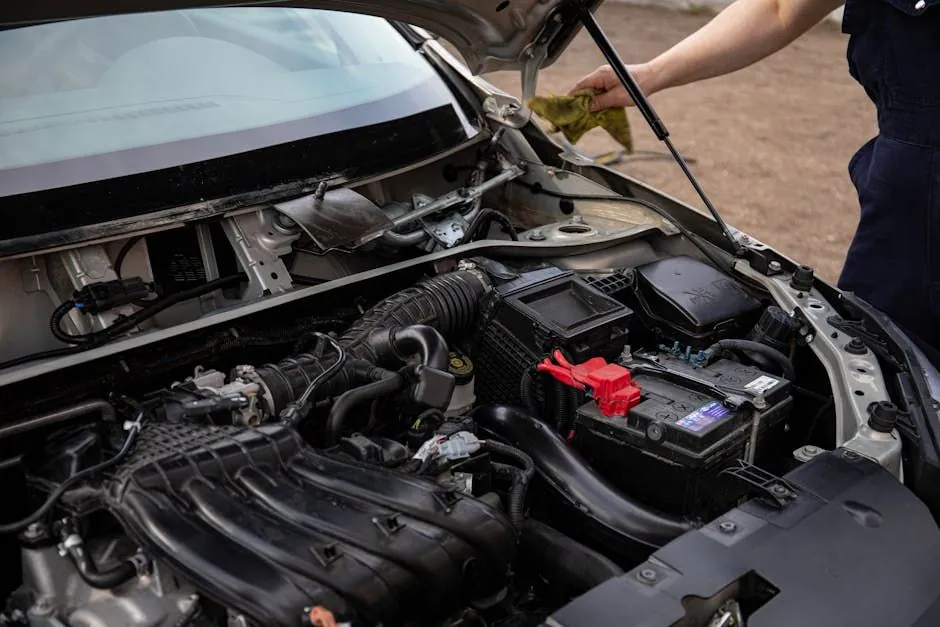
The most common signs are a coolant warning light on the dashboard, temperature gauge spiking above normal, a puddle of green, pink, or blue fluid under the car, sweet smell from the engine bay, and steam rising from under the hood.
Some symptoms are obvious. A puddle of coolant where you park is hard to miss. Steam from the hood is impossible to miss. But the early signs are quieter, and catching them saves thousands in engine repair.
Frequent coolant refills. If you’re adding coolant every few weeks, you have a leak. It may not be pooling on the ground. Some leaks only release coolant under pressure (when the engine is hot and the system is pressurized), then seal themselves when cold. You’ll see dried coolant residue on hoses and the expansion tank but no active puddle.
Temperature gauge fluctuation. A healthy BMW holds its temperature gauge rock-steady at the center mark. If you see it creep up in traffic and settle back down at highway speed, the system is losing its ability to regulate. It could be a thermostat that’s sticking, a water pump losing flow, or a low coolant level from a slow leak.
Heater not blowing hot. The cabin heater uses engine coolant flowing through the heater core. If coolant levels are low or there’s an air lock in the system, the heater blows cold or lukewarm. It’s easy to dismiss this as a heater problem. Usually, it’s a cooling system problem.
Sweet smell from the engine bay. Coolant has a distinctly sweet, almost syrupy smell when it hits hot engine components and evaporates. If you notice it after parking, something is leaking onto a hot surface.
White exhaust smoke. This one is more serious. White smoke from the tailpipe (not just condensation on a cold morning) can indicate coolant entering the combustion chamber through a head gasket leak. This needs immediate attention.
If you notice any of these, don’t wait. A cooling system that’s losing fluid or losing temperature control can overheat the engine in minutes under the wrong conditions.
One word: plastic.
BMW uses plastic for thermostat housings, expansion tanks, coolant pipes, and water pump impellers. Other manufacturers use more aluminum and metal in these areas. BMW’s engineering rationale is weight reduction and thermal management. Plastic components are lighter and warm up faster, which helps the engine reach optimal operating temperature sooner.
The trade-off is durability. Plastic components in a hot engine bay have a finite lifespan. Heat cycling (heating up, cooling down, heating up again) causes the plastic to become brittle over time. After 60,000 to 100,000 miles, depending on driving conditions, these parts crack.
The N52, N54, and N55 engines are the worst offenders. The N52 thermostat housing is essentially a ticking clock. It will crack. It’s not a question of if, but when. The N54 and N55 engines add an electric water pump that is also a known failure point, though for different reasons (the electric motor fails, not just the housing).
The B58 engine in newer BMWs improved some of these weak points, but it introduced its own patterns with charge pipe connections and coolant hose degradation at higher boost pressures.
Southern California driving amplifies the problem. Year-round heat means higher baseline underhood temperatures. Stop-and-go traffic on PCH and the 405 keeps the engine running hot without the airflow of highway driving. A thermostat housing that might last 100,000 miles in a mild climate can crack at 65,000 here in the South Bay.
We’ve replaced hundreds of thermostat housing assemblies, expansion tanks, and water pumps at our Hermosa Beach shop. This isn’t a repair we encounter occasionally. It’s one of the most common BMW repairs we perform.
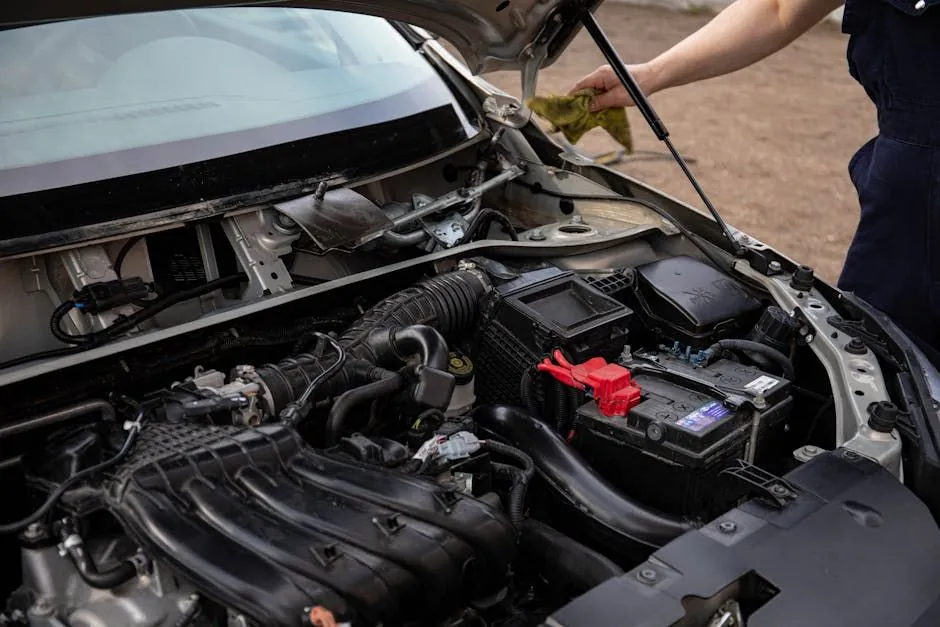
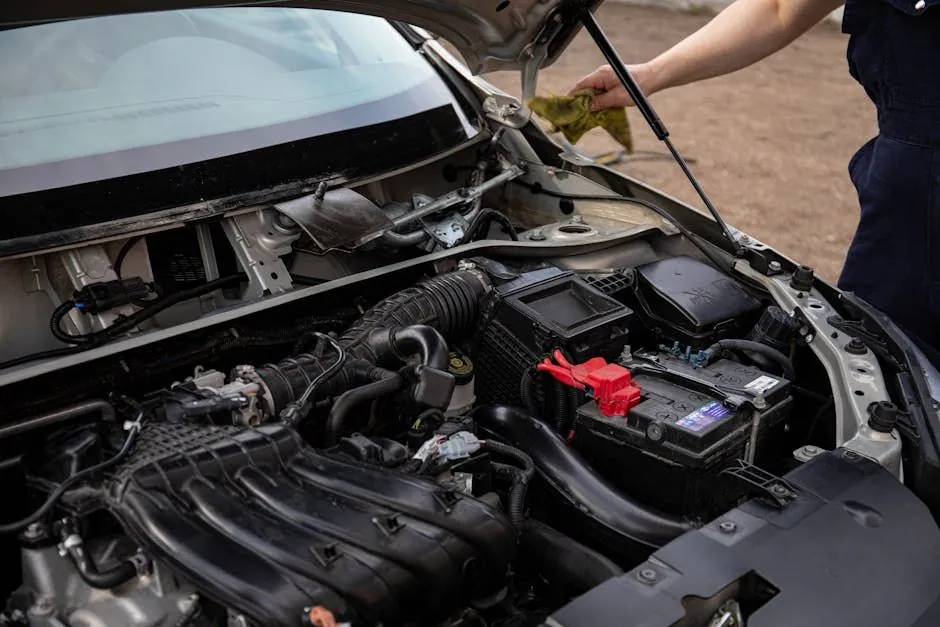
Different BMW engines have different weak points. Here’s what we see most often, organized by engine family.
N52 (2006-2013 3 Series, 5 Series, X3, Z4). The thermostat housing is the number one failure. It’s a plastic housing that bolts to the block, and it cracks along the seam or at the coolant outlet. The expansion tank is the second most common. It develops cracks at the seams and at the level sensor mount. Coolant hoses become brittle and split at their connections.
N54/N55 (2007-2016 turbocharged 3 Series, 5 Series, X3, X5). Same thermostat housing vulnerability as the N52, plus the electric water pump. The electric water pump on these engines is a BMW-specific design that uses an internal electric motor rather than a belt-driven impeller. When the motor fails, you get no coolant flow and rapid overheating. The expansion tank on turbo models also fails, often with less warning because the system runs at higher pressures.
B58 (2016+ turbocharged 3 Series, 5 Series, X3, Supra). Improved thermostat housing durability compared to the N-series, but coolant hose connections at the charge pipe and intercooler are the newer failure pattern. These engines also run higher coolant temperatures by design, which stresses hoses and clamps.
S65/S85 (M3, M5, M6). The coolant transfer pipe on the S65 V8 is a known failure. It runs through the center of the engine V and requires significant disassembly to access. This is a preemptive replacement candidate on high-mileage M cars.
Regardless of engine, the pattern is the same: plastic components degrade with heat and age, and they fail in predictable ways that an experienced BMW technician can identify before a roadside breakdown.
The scope of a cooling system repair depends on which component has failed and the age and condition of the surrounding parts. Here’s what the process involves.
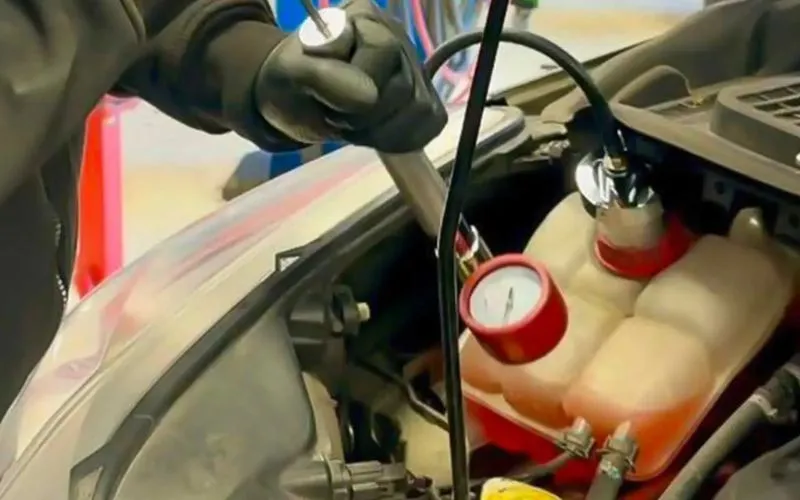
Cooling system pressure test. This is where every diagnosis starts. We pressurize the cooling system with the engine off and look for pressure drop. If the system won’t hold pressure, there’s a leak, and the pressure test often reveals exactly where.
Thermostat and thermostat housing replacement. The thermostat regulates coolant flow between the engine and radiator. On N52/N54/N55 engines, the thermostat is integrated into the plastic housing. When the housing cracks, both are replaced as a unit.
Electric water pump replacement. Modern BMWs use an electric water pump controlled by the engine computer. When the pump fails, coolant stops circulating. This failure usually triggers a warning on the dashboard, but the window between warning and overheating can be short. We replace the pump, bleed the system, and verify flow.
Expansion tank replacement. The expansion tank (coolant reservoir) is pressurized on BMWs. It’s made of plastic and sits near the top of the engine bay where it’s exposed to constant heat. Cracks develop at the seams, at the cap seat, and at the level sensor. Replacement includes a new pressure cap.
Coolant hose and clamp replacement. Rubber and plastic hoses become brittle and crack at their connection points. We inspect every hose and clamp in the system during any cooling repair. If adjacent hoses are showing signs of degradation, we recommend replacing them at the same time rather than doing a second repair in six months.
Coolant flush with G48-specification coolant. BMW specifies G48 coolant (blue) for most models. Using the wrong coolant can cause corrosion, gel formation, and premature component failure. We flush the old coolant, fill with the correct spec, and verify concentration with a refractometer.
System bleeding. BMW cooling systems are notorious for trapping air pockets after service. An air lock can cause localized hot spots, temperature fluctuations, and heater problems. We follow BMW’s specific bleed procedure, which involves running the system through multiple heat-cool cycles with the bleeder valve open until all air is purged.
This is one of the most important conversations we have with BMW owners, and we approach it honestly.
If your expansion tank cracks at 80,000 miles, the thermostat housing, coolant hoses, and water pump are the same age. They’ve endured the same heat cycles. They’re at a similar point in their lifespan. Replacing only the expansion tank and coming back in four months for a thermostat housing means paying for two rounds of labor (draining and refilling the coolant system) instead of one.
A cooling system overhaul replaces all the plastic components, hoses, and the water pump in a single service. You drain the coolant once, do all the work, refill and bleed once. The labor savings are significant compared to doing each component separately over the next year.
That said, we don’t push overhauls on cars that don’t need them. If you have a 50,000-mile BMW with a single cracked expansion tank and everything else looks solid, we’ll replace the tank and tell you what to watch for at your next service. Our recommendation depends on mileage, component condition, and your plan for the car.
Over 50 of our Google reviews mention our honesty and refusal to upsell. We tell you what we’d do if it were our car and let you decide.
Cost depends on which components need replacement and which engine you have. A standalone thermostat housing replacement on an N52 is a moderate repair. A full cooling system overhaul (thermostat housing, water pump, expansion tank, hoses, coolant flush) is a larger investment, but it addresses everything at once.
An electric water pump replacement on an N54 or N55 costs more than a traditional belt-driven pump because of the part cost and the electronic integration with the engine computer.
What we can tell you: independent shop pricing for BMW cooling system work is substantially lower than dealership rates. We use dealer-level diagnostic tools, follow BMW procedures, and install OEM-quality parts. The difference is overhead, not quality.
We provide a written, itemized estimate before any work begins. If we discover an additional issue during the repair (a hose that looked fine externally but is soft internally, for example), we call you before doing anything. Affirm financing is available for larger repairs.
Shawn Baker, our ASE Master Technician, has worked on over 20,000 vehicles across 20 years. BMW cooling system failure is one of the most common repairs that comes through our shop, and the diagnostic process is methodical.
Dealer-level diagnostic scan. We pull BMW-specific fault codes related to coolant temperature, water pump operation, and thermostat function. The scan often narrows the diagnosis before we open the hood.
Cooling system pressure test. The system is pressurized and monitored for pressure drop. A leaking component will show itself quickly under test conditions, even if the leak only occurs when the engine is hot and pressurized during driving.
Visual inspection of all plastic components. We physically inspect every plastic cooling component for cracks, discoloration, brittleness, and seepage. Some cracks are visible only under close inspection with the right lighting.
Coolant condition analysis. We check coolant concentration, pH, and contamination. Degraded coolant accelerates corrosion of metal components and breakdown of plastic parts. If the coolant hasn’t been changed on schedule, we recommend a flush as part of the repair.
The goal is accurate diagnosis the first time. A misdiagnosed cooling system problem can lead to replacing a water pump when the real issue was a cracked thermostat housing, or missing a head gasket leak that’s pressurizing the cooling system from inside. We don’t guess.
Luxury Motors of South Bay is located at 505 Pacific Coast Hwy, Hermosa Beach, CA 90254. We serve BMW owners throughout Torrance, Redondo Beach, Manhattan Beach, Hermosa Beach, Palos Verdes, Long Beach, San Pedro, and West Los Angeles. Bilingual service available in English and Spanish.
With 240 five-star Google reviews and hundreds of BMW cooling systems replaced, we’re the BMW specialist South Bay trusts for cooling system repair and the full range of BMW service and maintenance.
240 five-star Google reviews. 20,000+ vehicles serviced. Zero negative reviews.
Porsche quoted me $5,000 for a brake job. I called Shawn, and over the phone, he gave me a price that was a fraction of that.
I recently brought my 2004 Porsche 911 Turbo… What I appreciated most was their honesty; they provided a 25-point inspection… It is rare to find a shop that treats both the customer and the car with this much respect.
I have a Porsche 911 and I am very selective on who I have work on my car. Expert level knowledge on luxury cars.
The dealership claimed it was just a battery issue. When the problem persisted, I turned to Luxury Motors of South Bay and they quickly identified and resolved the actual issue with precision.
These dudes know what they’re doing. I took my Audi in and they treated it like it was their own. Straightforward, honest…
Luxury Motors of South Bay serves the South Bay from our shop at 505 Pacific Coast Hwy, Hermosa Beach, CA 90254.
Bring your vehicle in for a no-pressure inspection. Shawn Baker, ASE Certified Master Technician with over 20 years of experience, leads every diagnosis. You’ll get photos, honest findings, and a clear estimate. No surprises, no upselling.
240 five-star Google reviews from real South Bay drivers. That’s not a tagline. It’s a track record.