P
Paola C.
Google Review
★★★★★
Porsche quoted me $5,000 for a brake job. I called Shawn, and over the phone, he gave me a price that was a fraction of that.
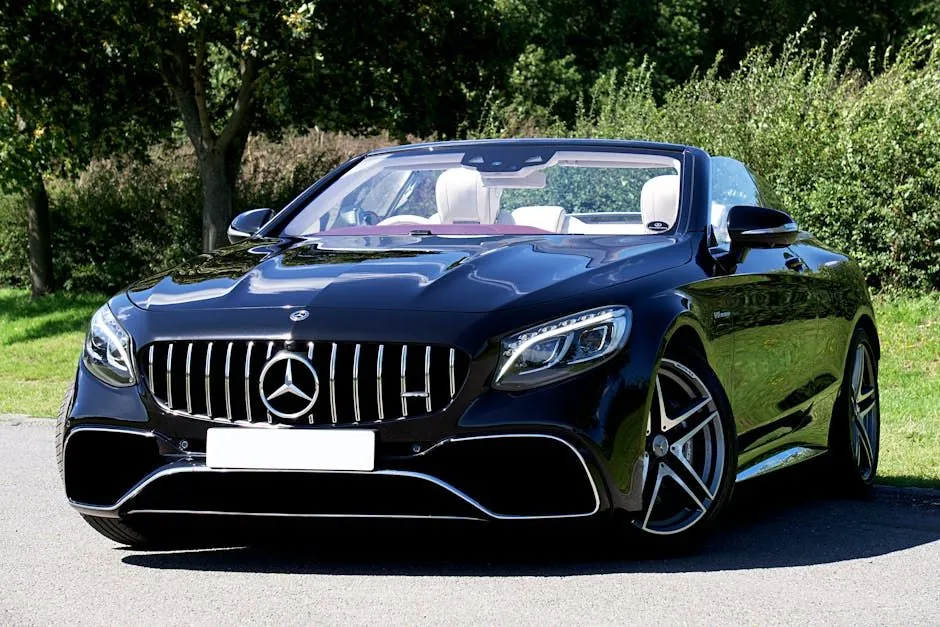
If you’re dealing with damaged or faulty vehicle parts on your BMW, Porsche, or Mercedes, you’ve probably noticed the price gap between OEM and aftermarket replacements. At Luxury Motors of South Bay in Hermosa Beach, we help owners make the right call on auto parts replacement by weighing cost savings against precision fit, longevity, and warranty protection. Whether it’s a routine repair or a major component swap on your German car, the parts you choose affect vehicle performance, resale value, and how long that fix actually lasts.
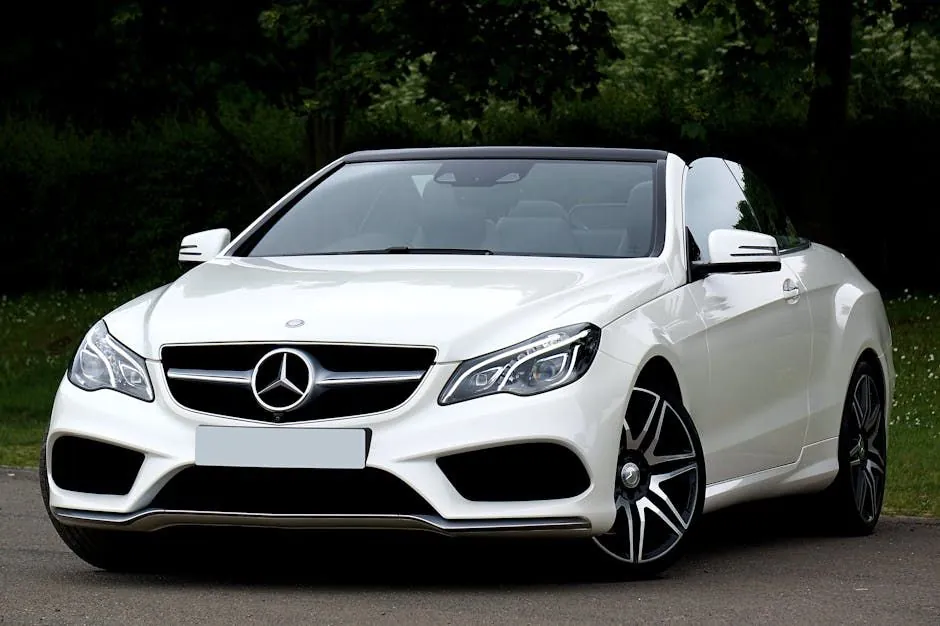
OEM parts are made by (or for) the Original Equipment Manufacturer that built your vehicle. Aftermarket parts are produced by third-party companies and designed to fit a range of vehicles. The difference matters more on German cars than almost any other type of vehicle.
German engineering runs on tight tolerances. A BMW cooling system, a Porsche brake assembly, or a Mercedes suspension component is designed to work within very specific parameters. OEM parts match those specs exactly because they’re the same parts the factory used.
Aftermarket parts are reverse-engineered to fit. Some do a good job. Others don’t. The problem is that “close enough” on a German car can mean a check engine light, an unusual noise, or a part that wears out in half the time. On a domestic truck, a slightly different bracket thickness might not matter. On a Porsche Cayenne’s air suspension, it absolutely does.
For most German car repairs, yes. Here’s why.
OEM parts cost more upfront. That’s the number everyone fixates on. A genuine BMW water pump might run 40-60% more than an aftermarket version. But the aftermarket pump often fails in 2-3 years. The OEM part typically lasts 5-7 years or longer.
When you factor in the labor to replace a failed part twice, the “cheaper” option ends up costing more. German car labor rates aren’t cheap, and many components are buried deep in the engine bay. You’re paying 3-4 hours of labor each time. That changes the math fast.
There’s also the quality and longevity factor. OEM parts use the same materials, coatings, and manufacturing processes as the originals. Aftermarket parts sometimes cut corners on materials to hit a lower price point. On a vehicle engineered for precision, lower-grade materials create problems that show up 12-18 months down the road.
The short answer: OEM parts cost more today but save money over the life of the car. For critical systems like cooling, braking, and electrical, we almost always recommend going genuine.
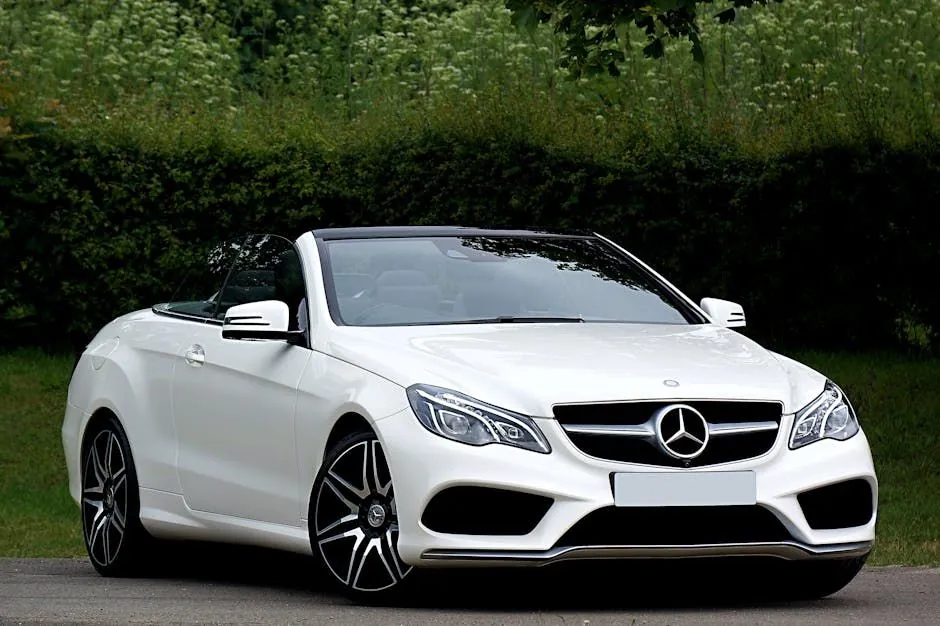
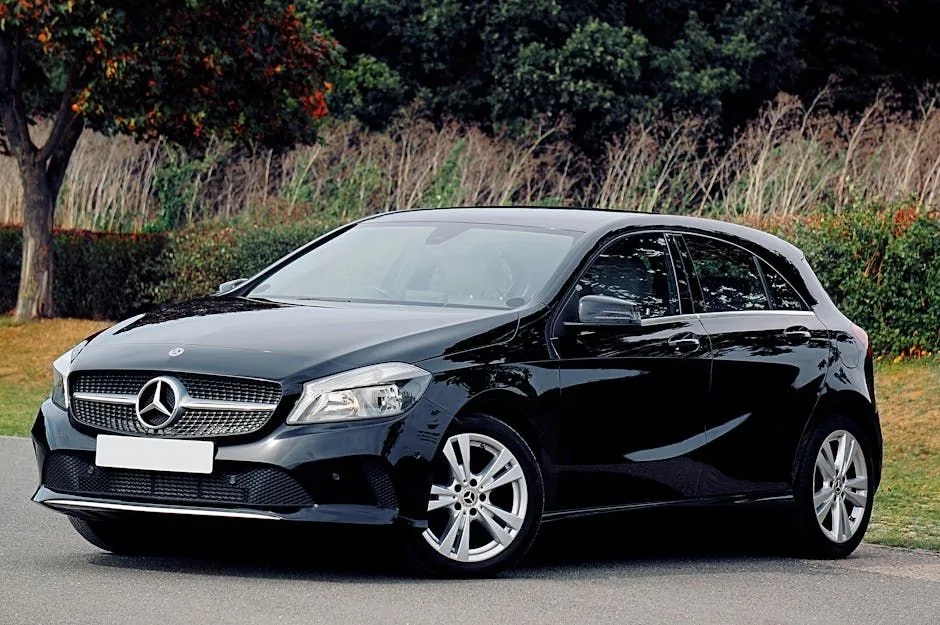
This is one of the most common questions we hear, and the answer has some nuance.
The Magnuson-Moss Warranty Act says a manufacturer can’t void your warranty just because you used an aftermarket part. That’s federal law. But there’s a catch. If an aftermarket part causes a failure, the manufacturer CAN refuse to cover the damage under warranty.
Here’s a real example. You install an aftermarket thermostat in your BMW. It fails and causes the engine to overheat. BMW won’t cover the engine damage under warranty, and they’d be within their rights.
Documentation is everything. When we install parts at our shop, we keep detailed records of what went in, the brand, the part number, and why we recommended it. If a warranty claim ever comes up, that paper trail protects you.
For vehicles still under manufacturer warranty, we lean heavily toward OEM parts on any component that could affect warranty coverage. It’s not worth saving $150 on a part and risking a $5,000 warranty claim.
Every repair gets evaluated on its own. There’s no blanket rule because every situation is different.
Shawn Baker, our ASE Master Technician and owner, has worked on over 20,000 vehicles across 20-plus years. He’s a Marine veteran, graduated with honors from UTI, and has seen what happens when the wrong parts go into a German car. That experience shapes every recommendation we make.
We use dealer-level diagnostic tools to pinpoint exactly what’s wrong before we order anything. That matters because a generic code reader might tell you a sensor is bad. Our equipment tells us whether it’s the sensor, the wiring harness, or the module behind it. Getting the diagnosis right means getting the parts right the first time.
Our approach is straightforward: OEM for anything critical, and quality aftermarket only when the part meets OEM specifications and the cost savings are significant enough to justify it. We explain the options, the price difference, and our honest recommendation. Then you decide.
That honesty is why more than 50 of our 240 five-star reviews specifically mention trust and transparency. We don’t upsell OEM parts when aftermarket will do the job. And we don’t cut corners with cheap parts to win on price.
Not every component needs to be OEM. Some aftermarket parts are perfectly acceptable, and we’ll tell you when that’s the case.
Filters. Air filters, cabin filters, and oil filters from reputable brands like Mann, Mahle, or Hengst are often identical to what the factory uses. These companies actually supply OEM parts to the manufacturers. You’re getting the same filter without the BMW or Mercedes logo on the box.
Brake pads. Premium aftermarket brake pads from brands like ATE, Textar, or Pagid can match or exceed OEM performance. These are the same companies that supply pads to German automakers. The key word is “premium.” Bargain brake pads from unknown brands are a different story.
Low-stress components. Things like wiper blades, bulbs, and certain rubber seals don’t need to be OEM. The engineering tolerances on these parts aren’t as critical, and quality aftermarket options work just fine.
Where we draw the line: electrical components, cooling system parts, fuel system parts, and anything related to the drivetrain. These systems are too sensitive to risk with parts that might not meet factory specs.
German luxury car buyers are particular. When they’re shopping for a used BMW, Porsche, or Mercedes, they look at service records. And they notice what parts were used.
A service history showing OEM parts tells the next owner that the car was maintained properly. It signals that whoever owned it cared about quality, not just the lowest repair bill. That perception translates directly into resale value.
We’ve seen it play out hundreds of times. Two identical BMWs with similar mileage will sell for different prices based on their service records. The one with documented OEM part repairs consistently brings more money.
If you plan to keep your German car for 3-5 years and then sell or trade it, OEM parts aren’t just a maintenance choice. They’re an investment in the vehicle’s future value. The extra you spend on genuine parts today often comes back when you sell.
Not sure which parts are right for your repair? Call Luxury Motors of South Bay at 310-504-0089 or stop by our shop at 505 Pacific Coast Hwy, Hermosa Beach, CA 90254. We’ll walk you through the options and give you an honest recommendation based on your car, your budget, and what actually makes sense.
240 five-star Google reviews. 20,000+ vehicles serviced. Zero negative reviews.
Porsche quoted me $5,000 for a brake job. I called Shawn, and over the phone, he gave me a price that was a fraction of that.
I recently brought my 2004 Porsche 911 Turbo… What I appreciated most was their honesty; they provided a 25-point inspection… It is rare to find a shop that treats both the customer and the car with this much respect.
I have a Porsche 911 and I am very selective on who I have work on my car. Expert level knowledge on luxury cars.
The dealership claimed it was just a battery issue. When the problem persisted, I turned to Luxury Motors of South Bay and they quickly identified and resolved the actual issue with precision.
These dudes know what they’re doing. I took my Audi in and they treated it like it was their own. Straightforward, honest…
Luxury Motors of South Bay serves the South Bay from our shop at 505 Pacific Coast Hwy, Hermosa Beach, CA 90254.
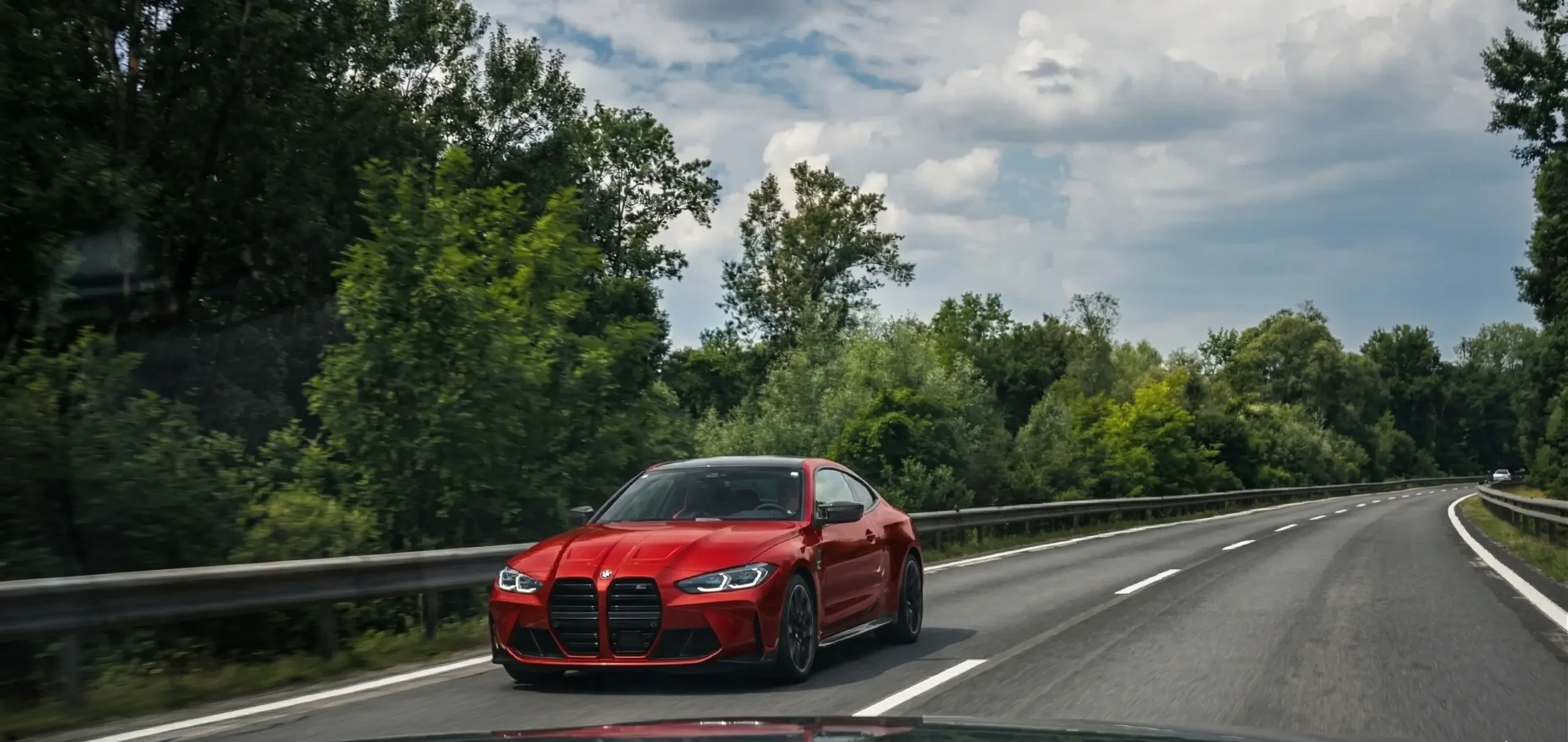
Bring your vehicle in for a no-pressure inspection. Shawn Baker, ASE Certified Master Technician with over 20 years of experience, leads every diagnosis. You’ll get photos, honest findings, and a clear estimate. No surprises, no upselling.
240 five-star Google reviews from real South Bay drivers. That’s not a tagline. It’s a track record.